Some of the latest research in the area of repairing sun damaged skin and protecting it from future damage, takes its cue from the many antioxidants found in vitamins and botanicals. There’s been some debate as to whether taking these antioxidants internally as supplements or through diet is more effective than applying them topically to the skin. There is definite scientific evidence that applying Vitamins C and E topically to the skin is very effective at reversing skin damage, by wiping out the free radicals that inevitably emerge from the combination of UV radiation and some of the chemicals used to manufacture sunscreens.
But now scientists are finding that when antioxidants are added to the skin AND taken orally – they can significantly boost the skin’s natural UV-filtering properties while enhancing its defenses against free radical formation. Here are some quick tips for improving sun safety and repairing sun-damaged skin:
- To clean up skin that’s already damaged use skin care products that are rich in antioxidants like Vitamins C & E and Green Tea extract. Jojoba, coconut, and olive oils are excellent ingredients to look for when seeking antioxidants and other deeply restorative properties.
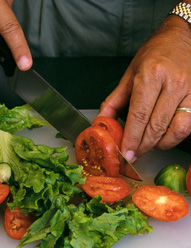 For ongoing protection, increase your intake of vitamins and antioxidants either through diet or supplementation. Be sure to consume carotenoids like Beta-carotene, Lutein, Lycopene, and Zeaxanthin, which are found naturally in green leafy vegetables, carrots, tomatoes, corn, and eggs. Enhance your body’s ability to properly utilize these nutrients by eliminating trans-fats and reducing consumption of saturated fats. Increase your intake of Essential Fatty Acids (EFAs) through flaxseed or fish oil supplements, to help balance and regulate excessively oily skin.
- Don’t overdo it with the sunscreens because they impede your body’s natural ability to synthesize Vitamin D –a vital nutrient that can protect you from common cancers like prostate or colon cancer. Because SPF ratings are notoriously unreliable don’t depend on sunscreens as your only form of protection. Whenever possible choose sun blocks like zinc and titanium dioxide over chemical sunscreens.
 The trees can grow up to 15 feet in height and have a very long lifespan of 100 to 200 years. As far back as the 1700s, Father Junipero Serra, who established the missions in California, wrote in his diary that Native Americans used the material they pressed from Jojoba seeds for its “mystical” treatment of cuts, scrapes, sunburn and dried out skin. As it turns out, they also chewed on the seeds to suppress their appetite. So don’t be surprised if you see a weight-loss supplement made from Jojoba in the not-too-distant future!
 A popular ingredient in shampoos and conditioners back in the 1970s, this valued skin care ingredient is now mostly found in high-end skin care, spa, and aromatherapy products. It is considered the best type of carrier oil for blending and diluting essential oils because its relatively neutral smell and low viscosity (thickness) –when compared to the odor profile and consistency of other carrier oils– do not interfere with the smell of the aromatherapy blend or diluted essential oil. But that is only one of its numerous benefits.