Winter weather conditions can be very tough on the skin, especially on the face, lips, and hands. Long stretches of repeated exposure to cold temperatures and low humidity, followed by constant exposure to indoor heat combine to suck the moisture out of our skin –leaving it reddish, dull and extremely dry. This holiday season, give the gift of all-natural, plant-based skin care and help your loved ones maintain a healthy glow from the inside out all winter long. Follow these tips to pick the best products you can:
When gifting skin-care products this winter, avoid conventional soaps and body washes whose detergents and synthetic ingredients strip natural oils. Try our Gentle Cleansing Body Wash which is made with highly moisturizing and protective organic coconut, olive, and jojoba oils. Combine it with a natural bath accessory to make a perfect bath and body gift.
Body oils contain no water so are the purest form of moisturizer, making them great gifts for winter. Lotions consist of mostly water and winter conditions will typically evaporate the water from your skin before your lotion can do the job. Our Revitalize blend products are great for winter because it includes Rosemary (to increase circulation) and Geranium (balancing and moisturizing to the skin) essential oils, not to mention Eucalyptus to help keep your head and sinuses clear. If you have friends that suffer from Seasonal Affective Disorder (SADD) and seem to get pretty down during the dark winter months, try giving them our Inspiration body oil with its uplifting blend of citrus oils!
Interestingly, many of the plant-based culinary oils you use in the kitchen can play a dual role in promoting and maintaining skin health in the dead of winter and throughout the year. Vegetable and nut oils like coconut, high-oleic safflower or sunflower, extra virgin olive, almond, or avocado are not only healthful when consumed internally, but can also be highly effective at hydrating, moisturizing, and protecting your skin when applied topically. Each of these oils is commonly found in natural skin care products. For the best possible results, I always recommend products that use these oils as their primary base because you can realize their immediate benefits without exposing yourself or the environment to the harmful toxins found in products made with petroleum or synthetic ingredients.
 Lip care products that help lips retain their moisture and elasticity. There’s probably no more delicate or widely used part of your body than your lips. And just as your skin is prone to dryness and even damage from exposure to the elements, especially during winter, so too are your lips. In fact, your lips are a lot more sensitive than the rest of your skin because unlike your skin, which has the ability to hydrate and regulate moisture, your lips have no sebaceous glands or lipids (fats) to help them retain moisture. Our all-natural Lip Balm Gift Set makes a wonderful gift to combat winter dry lips. For more on this read our blog post From Chappy To Happy, Discover The Best Lip Balm Ingredients To Keep You Smiling.
 Use Body Oils vs. Lotions. In late fall and winter months when dry skin is acute, use body oils as your primary moisturizer instead of lotion to improve hydration. Since lotions are made of mostly water, harsh winter conditions will evaporate the water from your skin before it can do the job. Body oils on the other hand contain no water so they are the purest form of moisturizer. However, they should be applied to skin while still wet (i.e. immediately after you shower) to enhance absorption.
 A man’s facial skin takes a lot of abuse due to the need for frequent shaving. It’s been said that a man shaves his face and neck over 20,000 times during the course of a lifetime, and how he does this makes all the difference in the quality and appearance of his skin. Using a razor without proper preparation and lubrication can lead to razor burn and ingrown hairs –a common problem for many men.
 Among the three oils, coconut oil was the only one found to reduce the protein loss for both undamaged and damaged hair when used as a pre-wash and post-wash grooming product. Both sunflower and mineral oils did nothing to reduce protein loss from hair. It turns out that coconut oil, being a triglyceride of lauric acid (its main fatty acid), has a high affinity for hair proteins. Because of its low molecular weight and straight linear chain (again being a little technical here …), it’s able to fully penetrate inside the hair shaft. Due to their chemical composition, the other oils were unable to penetrate the hair shaft and as a result, failed to protect the hair from protein loss.
 In continuing with my monthly review of natural ingredients for the skin, this month’s focus is on the tremendous benefits of coconut oil – another miracle of nature! The word coconut usually conjures up an exotic tropical locale or a frothy pina colada in a tall glass with a brightly colored paper umbrella in it, with the soothing sounds of the surf in the background. But the coconut and it’s various parts are more than exotic … the list of health benefits and ailments that can be alleviated or even cured by coconut oil, both when ingested and when applied topically, is extensive!
 A popular ingredient in shampoos and conditioners back in the 1970s, this valued skin care ingredient is now mostly found in high-end skin care, spa, and aromatherapy products. It is considered the best type of carrier oil for blending and diluting essential oils because its relatively neutral smell and low viscosity (thickness) –when compared to the odor profile and consistency of other carrier oils– do not interfere with the smell of the aromatherapy blend or diluted essential oil. But that is only one of its numerous benefits.
 Keep in mind that the oils that most closely resemble our skin’s natural oil (sebum), are the ones that will produce the best results for your skin and your overall health. They also tend to be more stable, with a considerably longer shelf life than most other oils because their chemical structure and composition are different. The two oils that most closely resemble your sebum are Jojoba (pronounced ho-HO-ba) and Virgin Coconut.
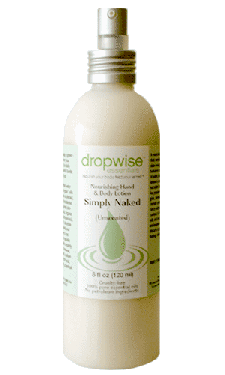
 For maximum effectiveness, look for products made with vegetable and/or nut oils and butters like Jojoba, Coconut, High-oleic Safflower, Olive, Sunflower, Almond, Grapeseed, Avocado, and Shea or Cocoa Butter in place of mineral oil (which is the primary base for most commercially mass-produced lotions). These plant-based oils are the same ones that are used for culinary purposes and are fully biodegradable. They also have the added benefit of high to very high stability resulting in an excellent shelf life, which in turn minimizes and often eliminates the need for preservatives.