The heat is on … and it looks like this summer is shaping up to be another scorcher. Rising outdoor temperatures often means more time spent outdoors to beat the heat, and that means more potentially damaging exposure for your skin. According to the Skin Cancer Foundation, about 90% of non-melanoma skin cancers are associated with exposure to ultraviolet (UV) radiation from the sun.
While that may sound scary enough to make you want to stay indoors in spite of the heat, the truth is your risk of sun damage is determined by many factors –some you may not even be aware of. These include your skin type, genetics, where you live (i.e. altitude and latitude), the amount and quality of fats in your diet, whether you take certain medications, the time of day and length of exposure, and the biggest predictor of all: how many times you got sunburned as a child and young adult.
 How you use sunscreen (how much you apply to your skin, how often you re-apply, and the type) is another often overlooked factor that determines how well protected you are. Most of us look to sunscreen products to do the trick, but with all the new research emerging on the subject, it’s wise to consider some of the other ways you can protect yourself.
If this heat is driving you to spend more time in the sun than you’d like, here are some natural sun safety tips to help you protect your skin.
Diet Does Affect Your Skin
Like it or not, the health of your skin is directly affected by the quality of your diet. Eating the right foods can play a big role not only in the way your skin looks and feels, but also in your skin’s ability to resist and repair damage from the sun. The healthy Omega-3 fatty acids found in avocados, nuts, olive oil and fish will keep skin cell membranes strong and supple, while trans fats like hydrogenated oils found in processed foods, are unstable and breakdown under sun exposure into free radicals and reactive oxygen species (ROS). Antioxidants in leafy greens, berries and even supplements, can counteract and fight free radicals, which left unattended lead to premature aging of the skin and ultimately skin cancer. Your mileage may vary, but for maximum benefit, you should look to replace all unhealthy fats with healthier ones and add a healthy dose of antioxidants to your daily regimen.
Make the Sun Your Ally
While it’s true that spending too much time in the sun will damage your skin, that doesn’t mean you should avoid the sun all together. Exposure to the sun accounts for nearly 75% of the Vitamin D that your body produces and Vitamin D can make your skin more resistant to sunburns. That’s right: exposure to the sun can help prevent the damage it causes. But sunscreen that filters out UVB rays blocks your body’s ability to produce Vitamin D. Fifteen minutes a day of being in the sun (either prior to 10 AM or after 4 PM) without sunscreen is enough to satisfy your daily Vitamin D needs without getting a sunburn.
If you have fair skin you can still reap the benefits of Vitamin D by taking it as a supplement. A daily dose of 5,000 IU of Vitamin D during the weeks leading up to your vacation or planned time in the outdoors, should help repel the sun’s harsh rays. Whatever you do, do not be tempted to use a tanning bed instead! Your risk of skin cancer from this form of UV exposure is much higher then being in the sun.
Don’t Neglect Your Delicate Parts
Based on past experience, you probably already know how easy it is to get burned in those delicate little spots like your nose, ears, lips, neck, tops of shoulders, tops of your feet, and even your scalp. These are all areas that require a little more attention when you’re going out in the sun. While your best bet for protecting your scalp and even your ears and nose is a wide-brimmed hat, if you insist on going bare then you should apply some form of sun protection to your hair and scalp like a mixture of titanium dioxide or zinc oxide with a blend of plant oils like coconut, olive and/or jojoba.
And don’t forget your eyes! Not only can UV rays lead to premature wrinkles around the eyes, but they can also damage your cornea and promote cataracts or worse, macular degeneration. A good pair of UV-rated (i.e. UVA and UVB) sunglasses are essential to protecting your eyes. If you can find a wraparound-style, they will help protect your brows and temples too.
There’s no way to completely avoid the damage that comes from sun exposure. Your best protection comes from being wise and using all the ways available to you for that, instead of relying primarily on sunscreen to do the job. Here are some additional tips to help you stay sun safe in the dog days of summer:
- Use a plant-based body oil made with coconut, jojoba, grape seed, rose hip seed, carrot and/or hemp seed oils as a pre-sun and after sun moisturizer. Research shows that moisturizers made with Vitamin E and C can help fight the free radicals produced by sun damage and these oils are naturally high in those vitamins.
- Increase your intake of antioxidants through food and supplementation. Again, consuming foods that are high in Vitamins A (Beta Carotene), C and E can also help fight free radicals. One simple way to do this is to make a daily smoothie with a variety of berries –either fresh or frozen– or make a “green” smoothie with greens like kale, collards and spinach combined with fruits like banana and apple to sweeten them.
- Avoid putting citrus essential oils directly on your skin when going out in the sun as some of them are photo-toxic and can increase your chances of getting burned.
Copyright 2009-2012 Dropwise Essentials
WANT TO USE THIS ARTICLE IN YOUR EZINE OR WEB SITE? You can, as long as you include this complete blurb with it: Donya Fahmy, is a green business owner and the creator of Dropwise Essentials’ spa-quality aromatherapy body products that help you safely relieve stress, increase vitality, improve confidence, or simply manage your emotional state any time or place without popping a pill. For more free tips and valuable information visit www.dropwise.com and subscribe to the Dropwise Health & Beauty News Ezine or blog feed.
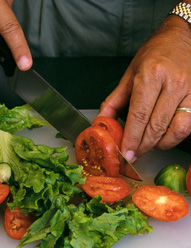 For ongoing protection, increase your intake of vitamins and antioxidants either through diet or supplementation. Be sure to consume carotenoids like Beta-carotene, Lutein, Lycopene, and Zeaxanthin, which are found naturally in green leafy vegetables, carrots, tomatoes, corn, and eggs. Enhance your body’s ability to properly utilize these nutrients by eliminating trans-fats and reducing consumption of saturated fats. Increase your intake of Essential Fatty Acids (EFAs) through flaxseed or fish oil supplements, to help balance and regulate excessively oily skin.